
PhoeniX
PhoeniX is an innovative SAR spaceborne architecture designed for efficient integration, reliable performance, and mission flexibility, enabling high-quality Earth Observation across a wide range of satellite platforms.
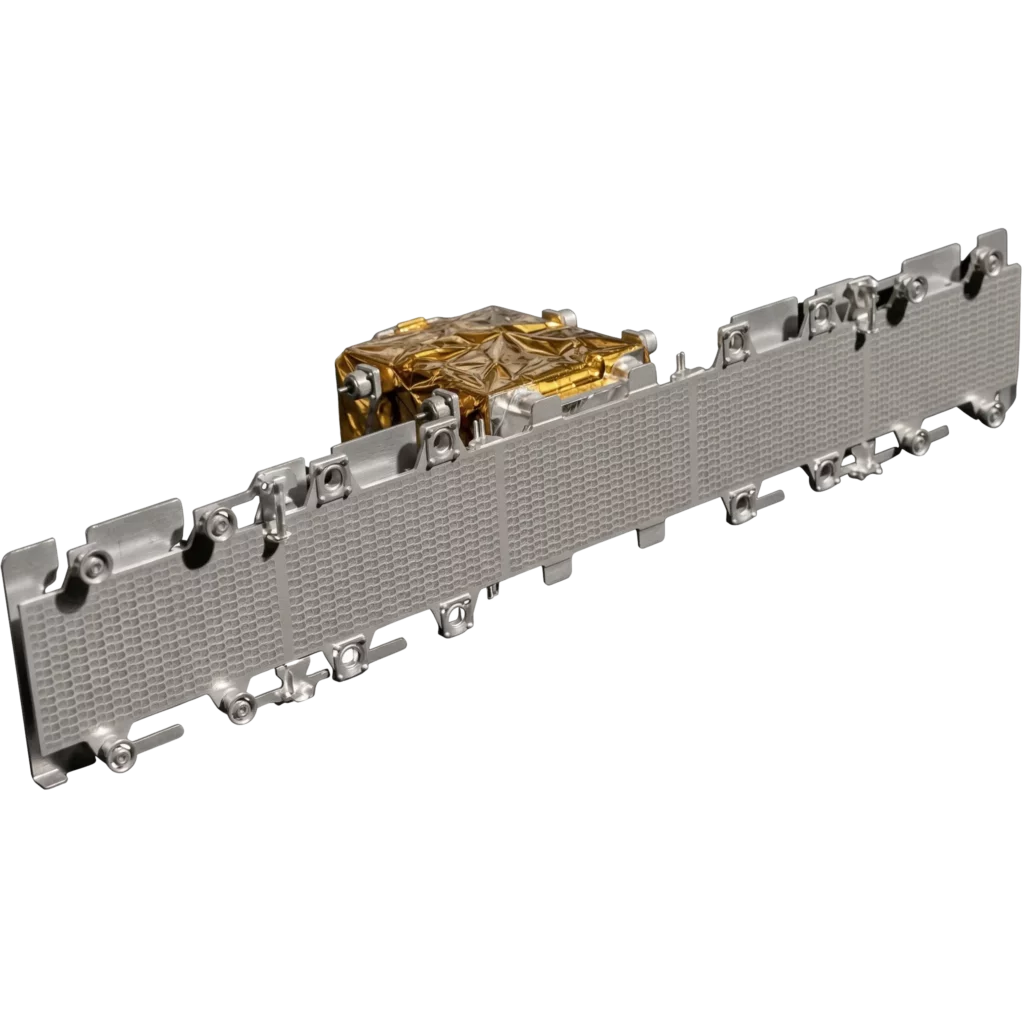
PhoeniX is MetaSensing’s compact and flexible X-band SAR payload designed for scalable Earth Observation missions and next-generation satellite constellations.
PhoeniX combines efficient radar architecture, modular design, and reliable imaging performance in a compact SAR payload ranging from 74 to 166 kg. Based on slotted waveguide antenna technology, the system is engineered to minimize complexity while enabling flexible integration across different mission profiles and constellation-based deployments. Its configurable architecture allows operators to balance performance, scalability, and mission requirements according to specific operational needs.
Your ultimate solution for advanced SAR Imaging
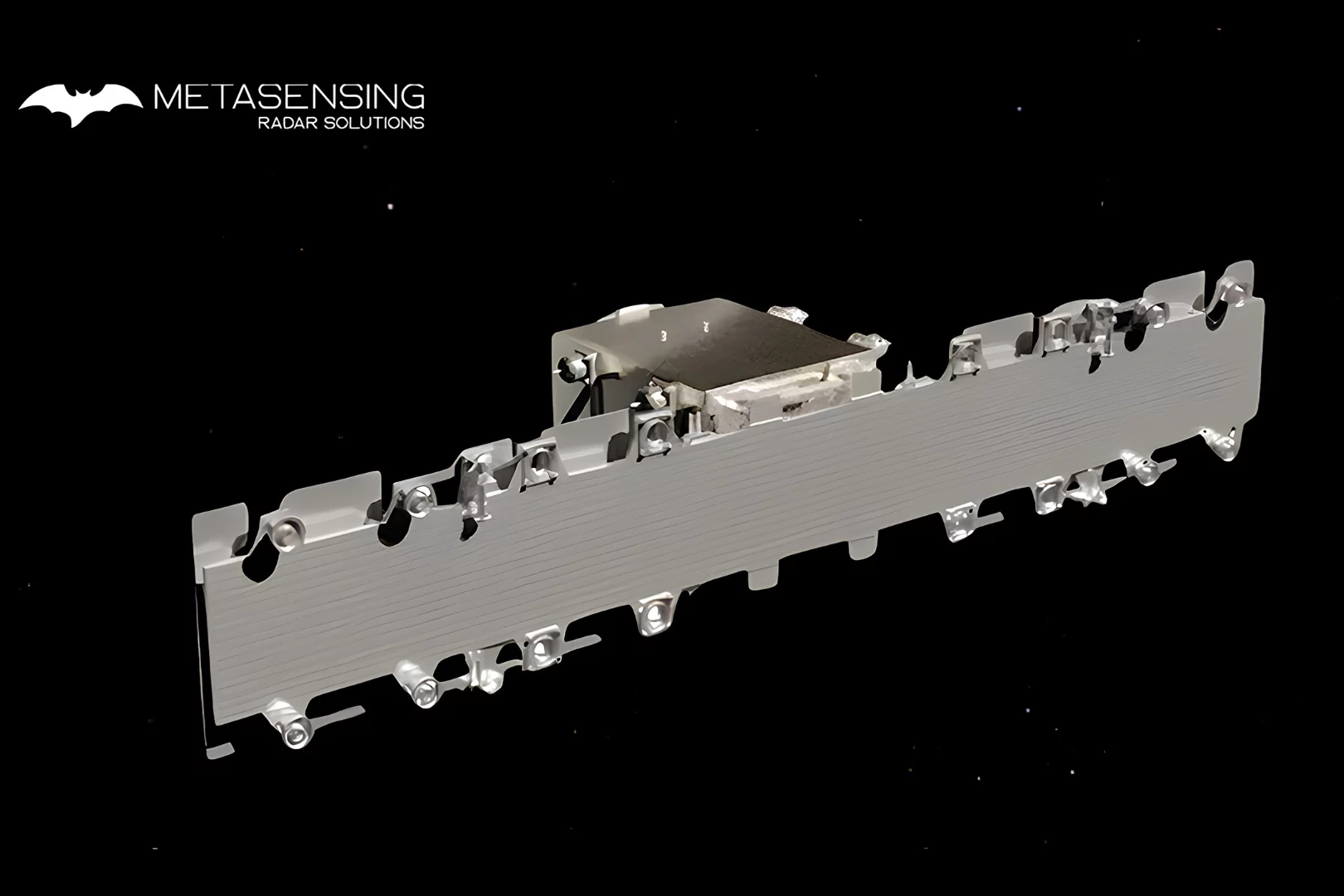
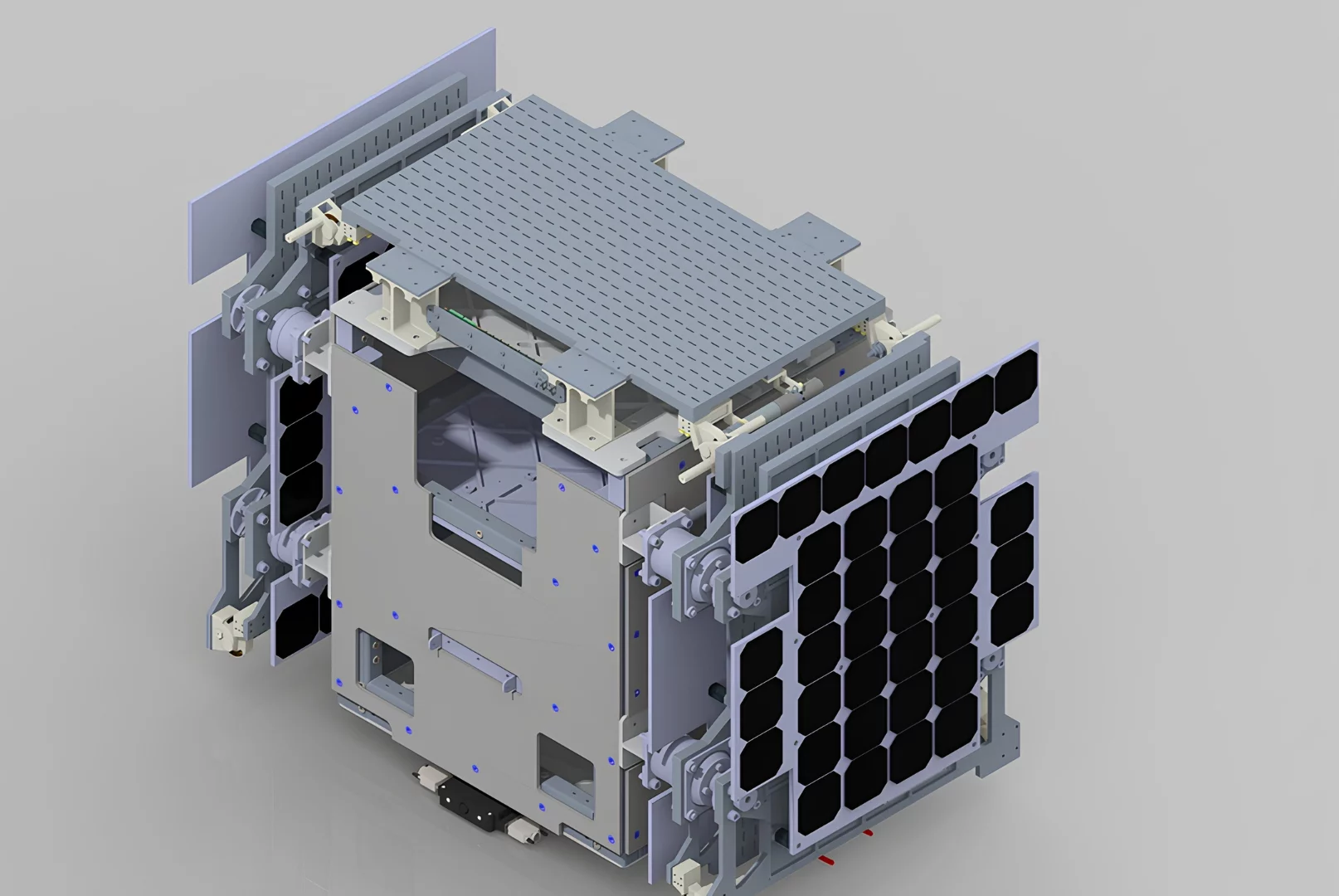
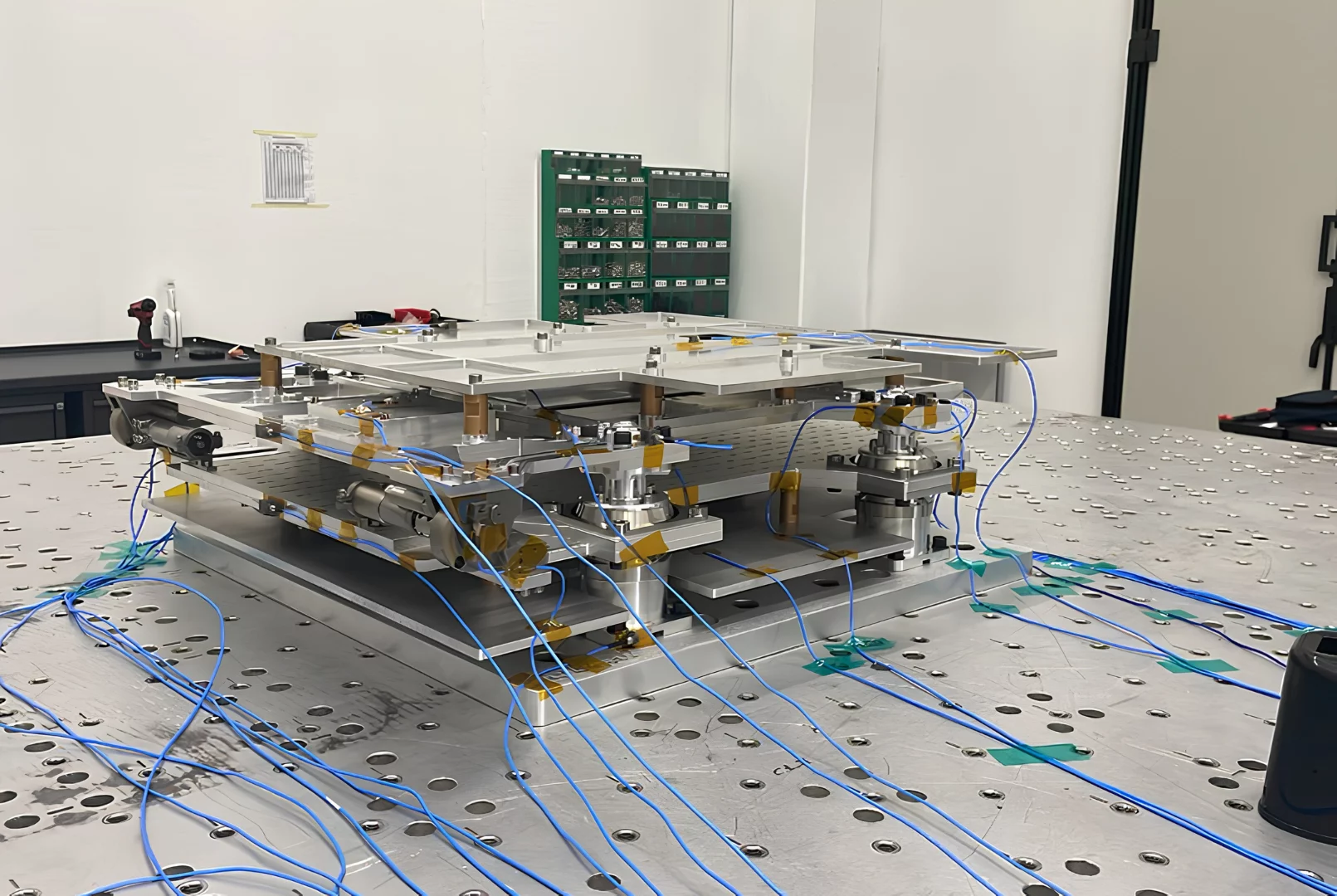
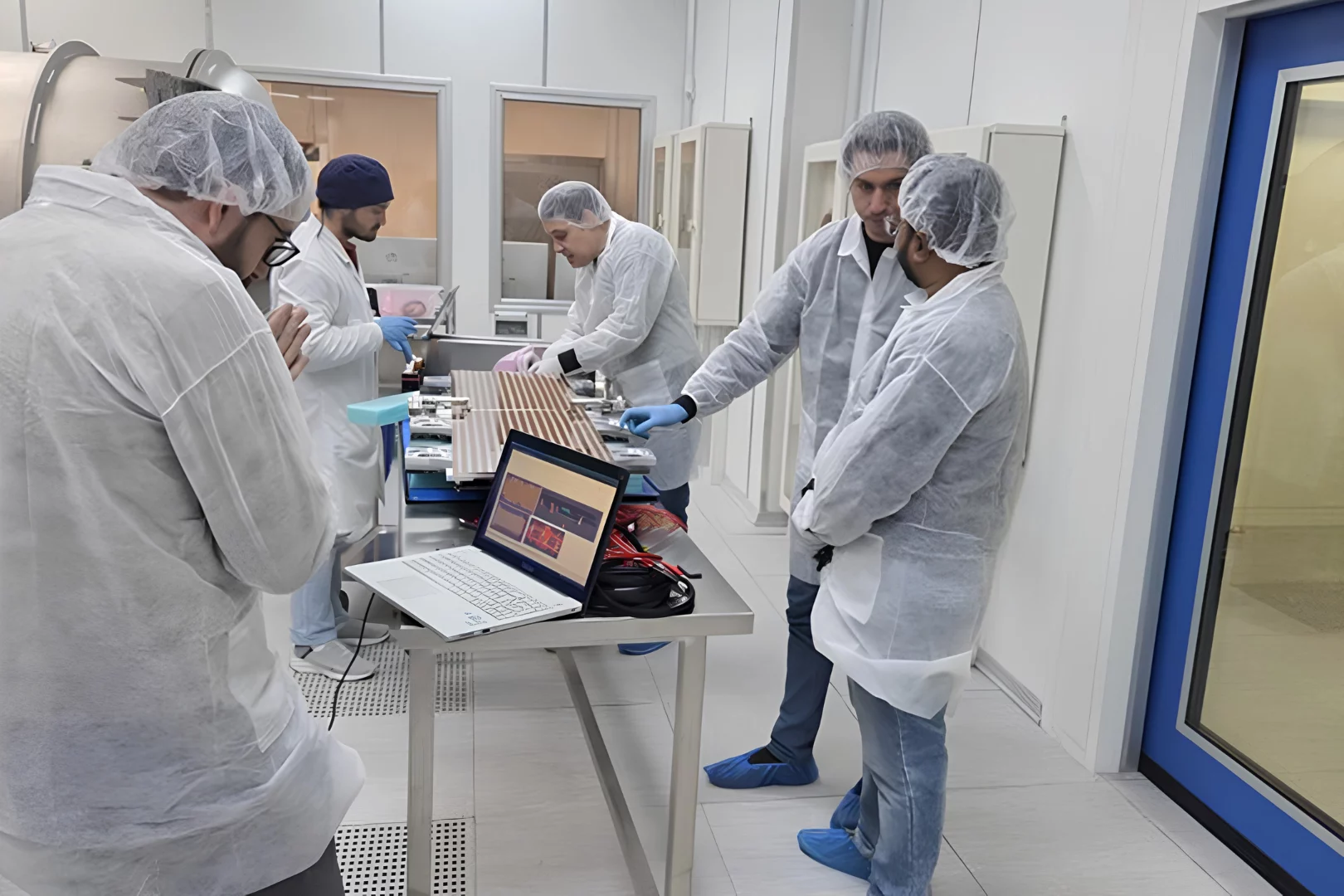
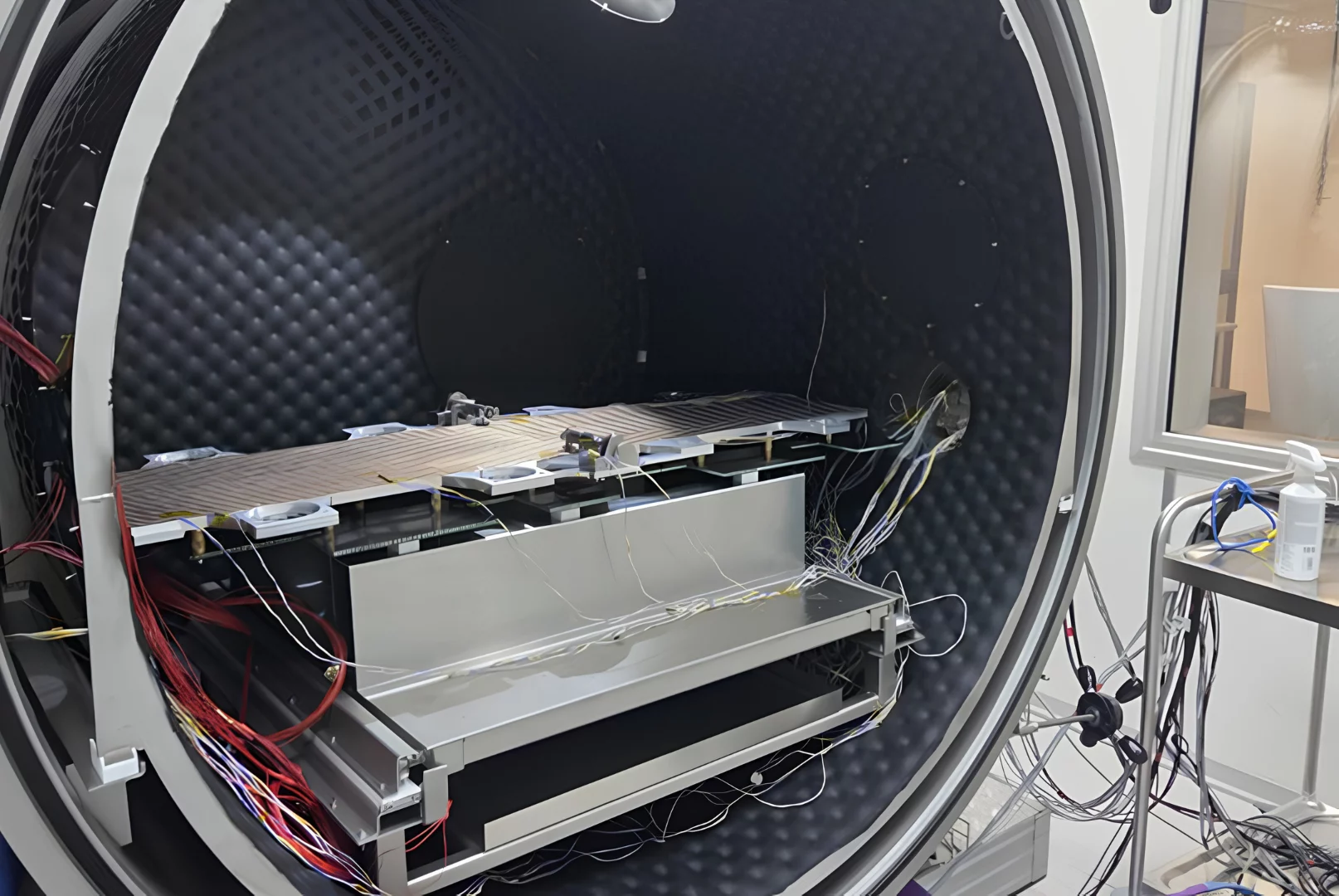
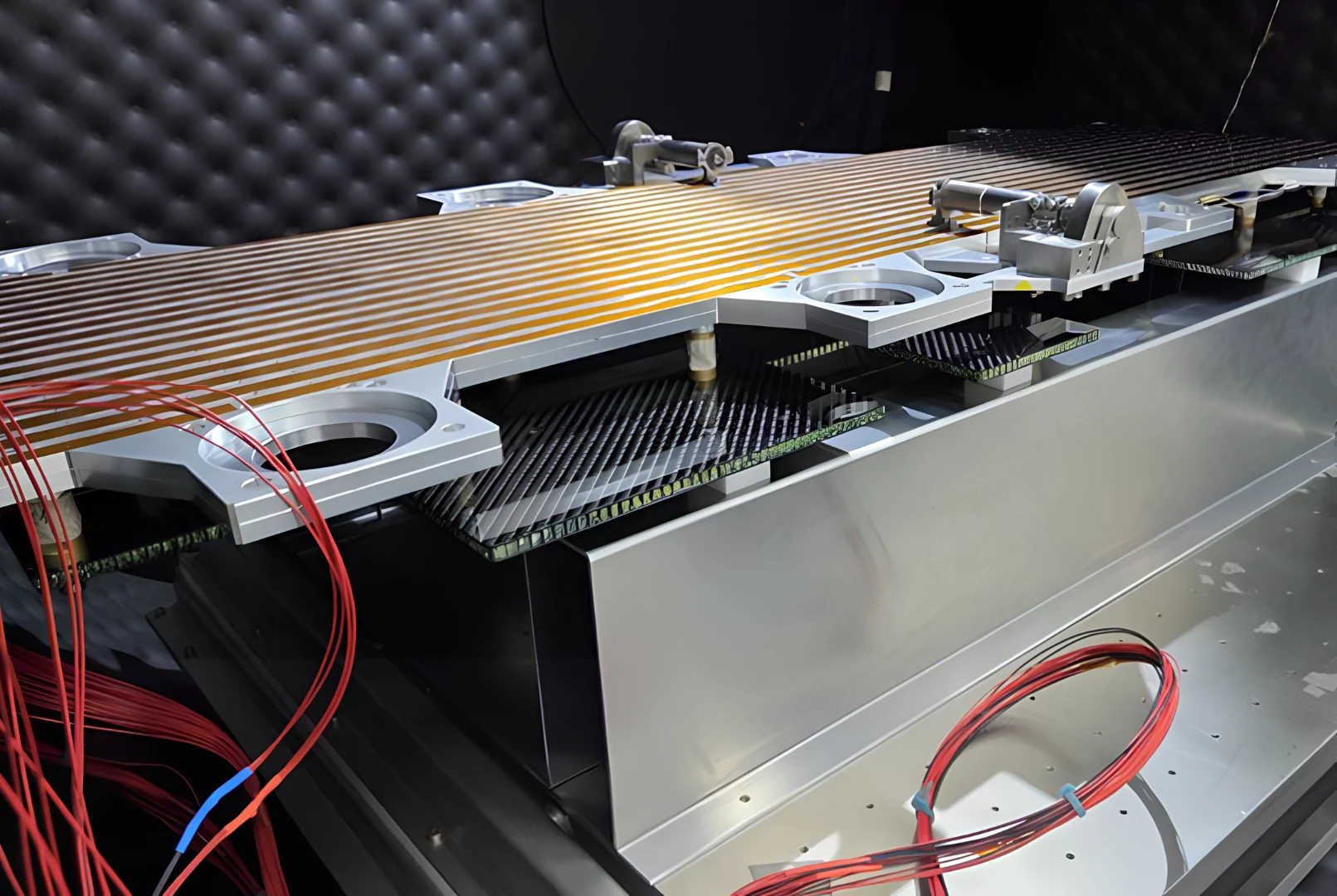
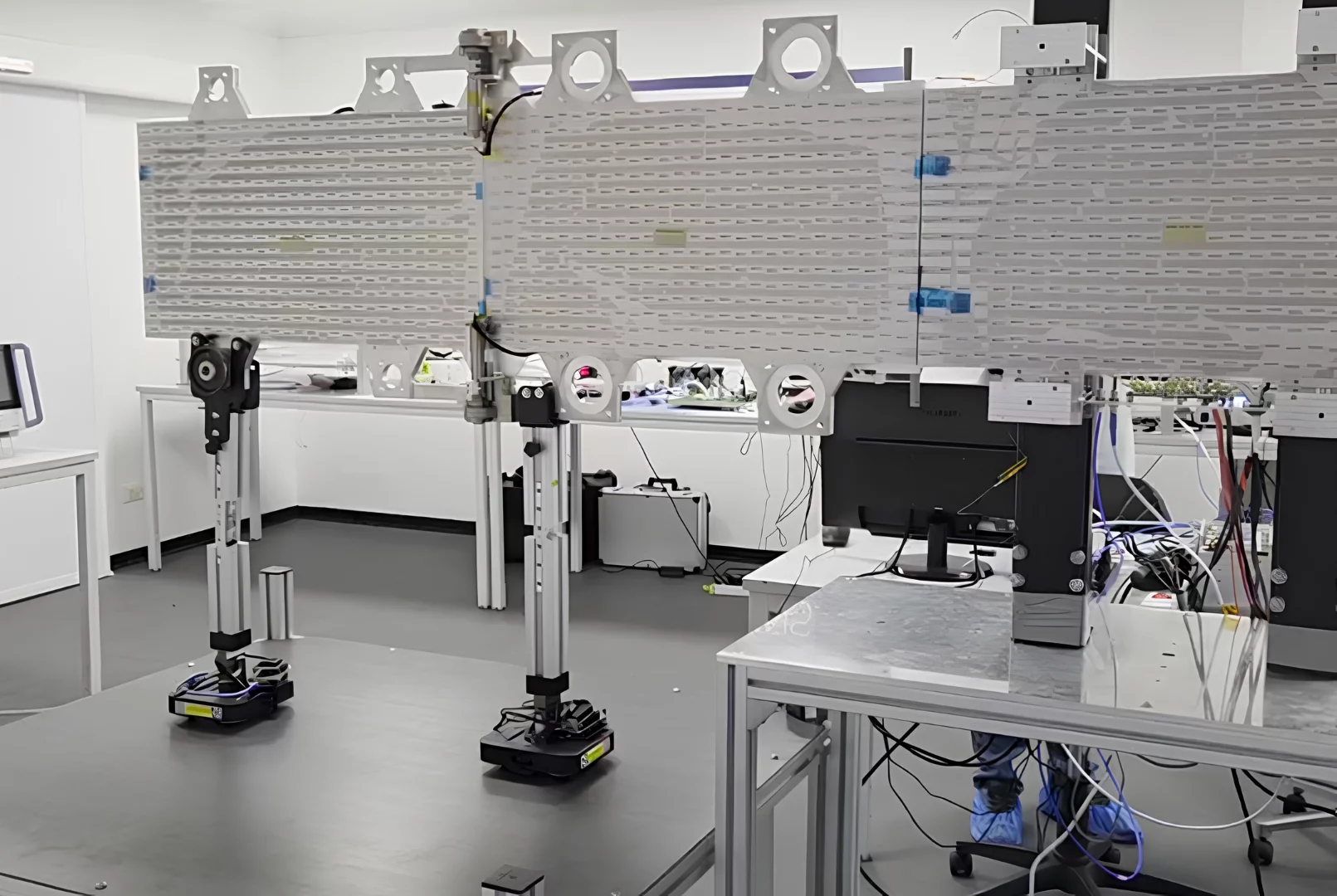
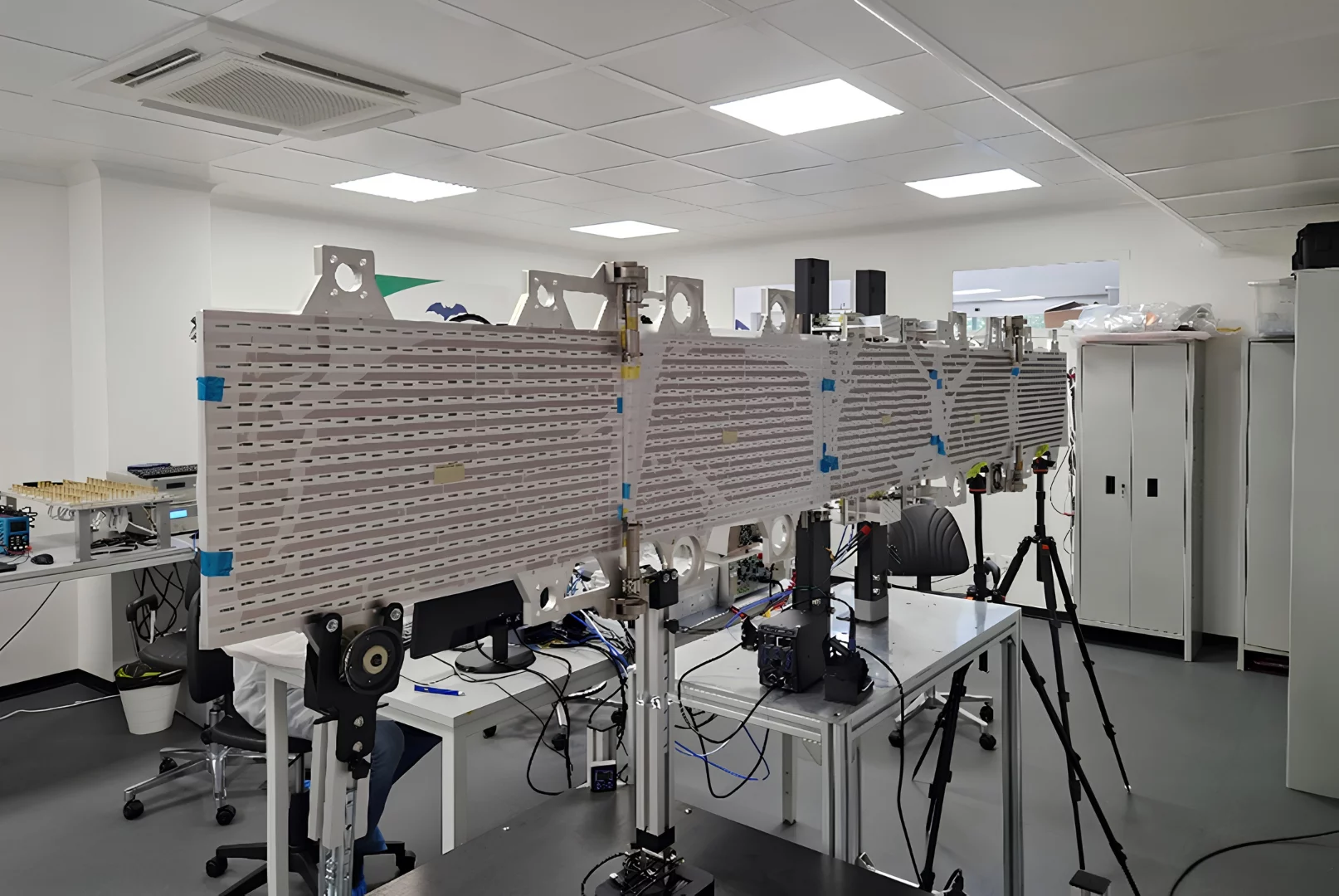

Compact Design
PhoeniX features a compact and modular SAR architecture optimized for efficient satellite integration across multiple mission classes. Its reduced system complexity and scalable design enable easier accommodation on modern platforms and constellation deployments, while maintaining structural robustness, operational reliability, and flexibility for evolving Earth Observation requirements.

Advanced Imaging Capabilities
PhoeniX delivers advanced SAR imaging capabilities designed for high-quality Earth Observation applications. The system supports reliable data acquisition with high radiometric stability and consistent imaging performance, enabling effective monitoring, surveillance, infrastructure analysis, and environmental assessment across a broad range of operational and mission scenarios.

Cutting-Edge Engineering and Innovation
PhoeniX combines advanced radar engineering with innovative system architectures to support next-generation SAR missions. Leveraging slotted waveguide antenna technology and a configurable payload design, the system enables optimized integration, mission adaptability, and efficient deployment strategies for institutional, commercial, and constellation-based Earth Observation programs.
Technical data ApeX
If you can’t see the table contents clearly, download the image file.
| MetaSensing PhoeniX ApeX |
PhoeniX ApeX – 8x TRM-15 modules per tile, 10 tiles (ApeX-A-10-20) |
PhoeniX ApeX – 16x TRM-15 modules per tile, 10 tiles (ApeX-C-10-40) |
PhoeniX ApeX – 16x TRM-15 modules per tile, 12 tiles (ApeX-C-12-48) |
|---|---|---|---|
| Radiating antenna dimension (elevation x azimuth) |
0.35 x 3.52 m | 0.70 x 3.52 m | 0.70 x 4.24 m |
| Phase centers (elevation x azimuth) |
8 x 40 | 16 x 40 | 16 x 48 |
| Electronic Steering angle in Elevation | +/- 10.0 deg | +/- 10.0 deg | +/- 10.0 deg |
| Electronic Steering angle in Azimuth | +/- 4.5 deg | +/- 4.5 deg | +/- 4.5 deg |
| RF peak power | 2 kW | 4.0 kW | 4.8 kW |
| DC power consumption | 2.3 kW | 4.6 kW | 5.5 kW |
| Slant range resolution | > 0.125 m | > 0.125 m | > 0.125 m |
| Maximum bandwidth | 1200 MHz | 1200 MHz | 1200 MHz |
| Incident angle recording data | 15-50 deg | 15-50 deg | 15-50 deg |
| SAS (SAR Antenna Subsystem) payload mass | ~58 kg | ~121 kg | ~146 kg |
| SES (SAR Electronic Subsystem) payload mass | ~10 kg | ~10 kg | ~10 kg |
| Payload interface | ~10 kg | ~10 kg | ~10 kg |
| Total Mass | ~78 kg | ~141 kg | ~166 kg |
Technical data Core
If you can’t see the table contents clearly, download the image file.
| MetaSensing PhoeniX Core |
PhoeniX Core – 1x TRM-100W modules per tile, 10 tiles (Core A-10-10) |
PhoeniX Core – 3x TRM-50 modules per tile, 10 tiles (Core-B-10-15) |
PhoeniX Core – 2x TRM-100 modules per tile, 10 tiles (Core-A-10-20) |
PhoeniX Core – 4x TRM-100 modules per tile, 10 tiles (Core-C-10-40) |
PhoeniX Arch1 – 4x TRM-100 modules per tile, 12 tiles (Core-C-12-48) |
|---|---|---|---|---|---|
| Radiating antenna dimension (elevation x azimuth) |
0.35 x 3.37 m | 0.53 x 3.37 m | 0.35 x 3.37 m | 0.70 x 3.37 m | 0.70 x 4.04 m |
| Phase centers (elevation x azimuth) |
1 x 10 | 3 x 10 | 2 x 10 | 4 x 40 | 16 x 48 |
| Electronic Steering angle in Elevation | NA | +/- 3.0 deg | +/- 3.0 deg | +/- 3.0 deg | +/- 3.0 deg |
| Electronic Steering angle in Azimuth | +/- 1.5 deg | +/- 1.5 deg | +/- 1.5 deg | +/- 1.5 deg | +/- 1.5 deg |
| RF peak power | 1.0 kW | 1.5 kW | 2 kW | 4.0 kW | 4.8 kW |
| DC power consumption | 1.2 kW | 1.8 kW | 2.3 kW | 4.6 kW | 5.5 kW |
| Slant range resolution | > 0.25 m | > 0.25 m | > 0.25 m | > 0.25 m | > 0.25 m |
| Maximum bandwidth | 600 MHz | 600 MHz | 600 MHz | 600 MHz | 600 MHz |
| Incident angle recording data | 15-50 deg | 15-50 deg | 15-50 deg | 15-50 deg | 15-50 deg |
| SAS (SAR Antenna Subsystem) payload mass | ~54 kg | ~81 kg | ~58 kg | ~110 kg | ~132 kg |
| SES (SAR Electronic Subsystem) payload mass | ~10 kg | ~10 kg | ~10 kg | ~10 kg | ~10 kg |
| Payload interface | ~10 kg | ~10 kg | ~10 kg | ~10 kg | ~10 kg |
| Total Mass | ~74 kg | ~101 kg | ~78 kg | ~130 kg | ~166 kg |
Key features
- Compact and modular SAR architecture optimized for satellite integration
- Slotted waveguide antenna technology
- Configurable payload design for different mission needs
- Scalable solution for constellation-based deployments
- Optimized system integration and reduced complexity
Key benefits
- Flexible adaptation to a wide range of mission profiles
- Efficient integration into modern satellite platforms
- Reliable SAR imaging performance
- Support for scalable constellation architectures
- Optimized balance between performance and system efficiency
Missions
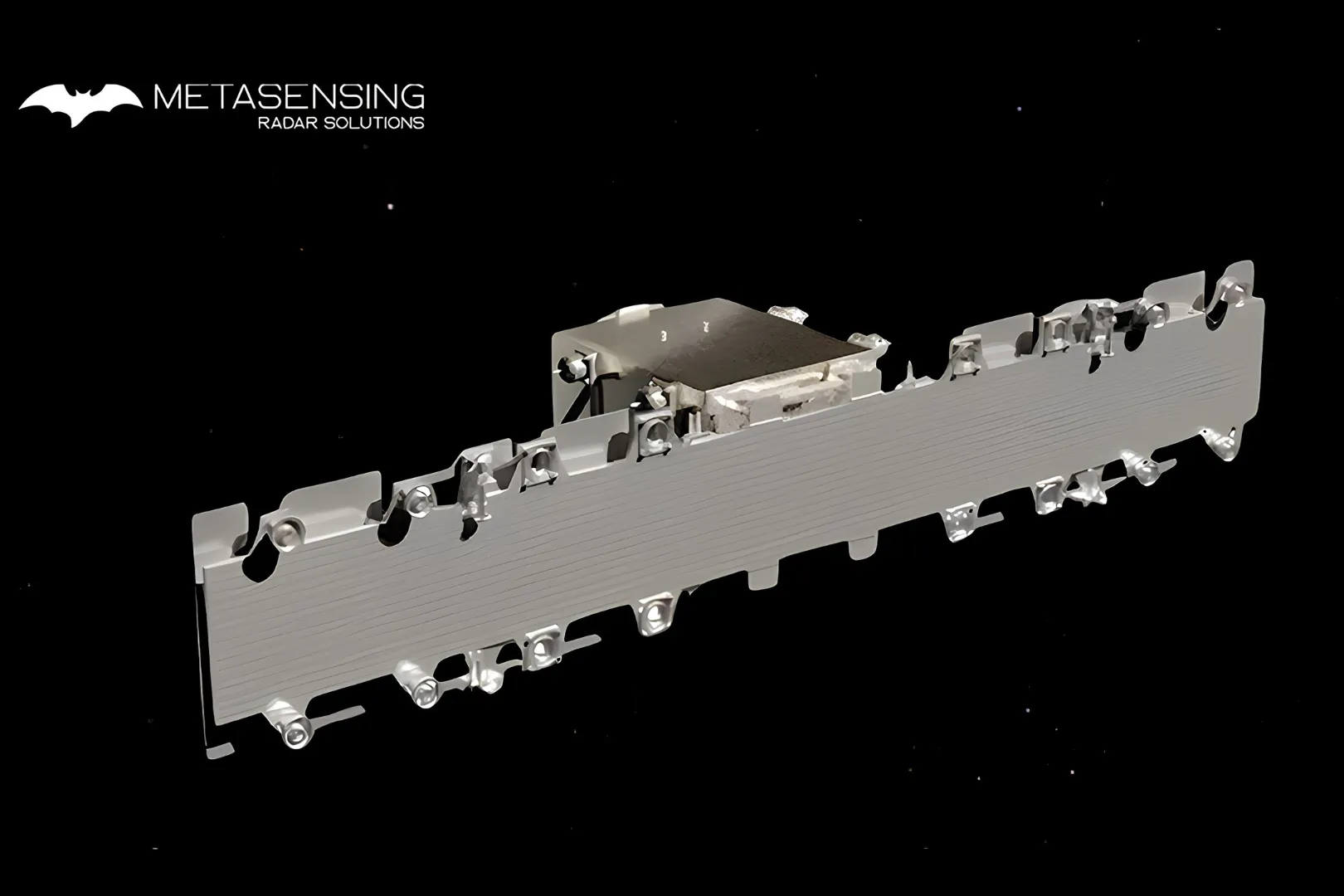
Drishti Mission is GalaxEye’s flagship Earth Observation program, aimed at deploying the world’s first OptoSAR satellite by combining Synthetic Aperture Radar (SAR) and multispectral optical imaging on a single spacecraft. The program is led by GalaxEye, which developed the OptoSAR concept and mission architecture, while MetaSensing provides the spaceborne SAR payload for the first mission. By acquiring SAR and optical imagery simultaneously, Drishti delivers synchronized, all-weather, day-and-night Earth observation data for defense, disaster response, agriculture, infrastructure monitoring, and commercial applications.